Utility and Power Construction in Cheyenne, WY
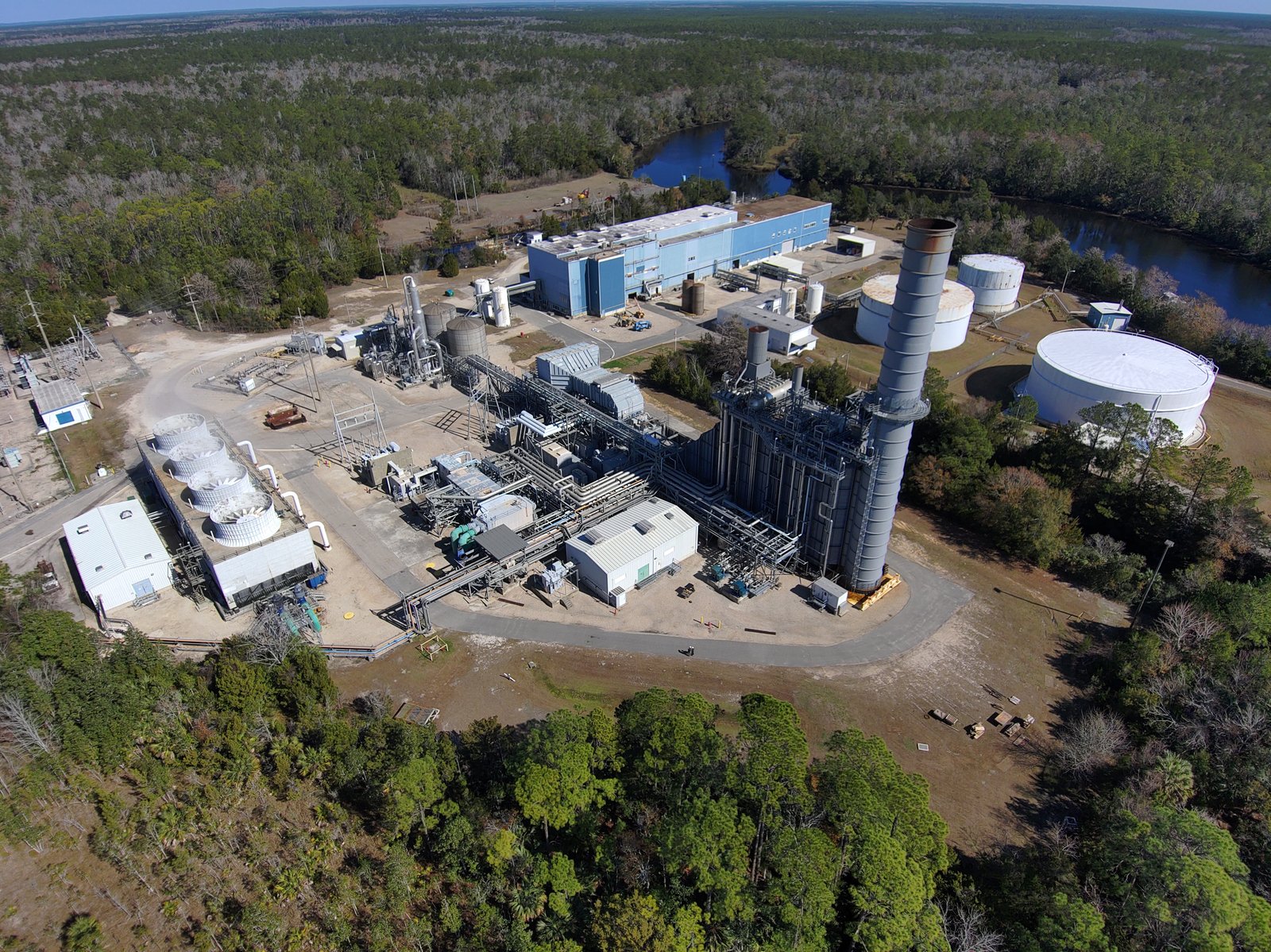
Platte County hosts a 1,710 MW coal-fired plant that employs about 300 people, while Cheyenne is planning for electricity demand to grow about 50 percent in five years. Between those two facts sits the work utility and power owners hire a civil and structural contractor to do: new substations, switchyards, access roads, foundations for generation and storage equipment, and the security perimeter around them.
We build that physical layer. Our trade partners grade and compact pads for transformers and switchgear, drill and pour piers for structures and towers, construct heavy-haul roads that carry multi-hundred-ton loads, and install underground duct and fencing. We do not design the electrical system or operate it. We build what holds it up, drains it and protects it.
Cheyenne's utility landscape is changing in two directions at once: a mature coal-fired station in Platte County, and a planned $1.2 billion solar project with 1.2 million panels near Cheyenne that could supply a large data center. Owners on either side of that shift need contractors who can work under outage windows, wind exposure and short construction seasons.
What is driving utility construction here
Three forces stack up. Data center load is the first: the Chamber of Commerce CEO expects power demand to rise about 50 percent over five years, and the same report flags transmission and workforce as challenges. Defense is the second: the Sentinel missile program at the Air Force base is projected to bring about $2.6 billion in construction spending to the area, with peak workforces of 3,000 to 5,000.
Generation change is the third. A solar array of 1.2 million panels needs graded fields, pile or pier foundations, collector trenches and a substation. A coal station needs ongoing civil work for ash, drainage and access. Our data center clients are the load that drives much of this, so we watch interconnection schedules closely.
Earthwork and foundations we manage closely
Utility sites reward contractors who manage the early work closely. Site clearing and mass grading set the pad elevations and drainage for a switchyard, and we check survey control closely so as-builts match the design. Drilled pier foundations carry structures, dead-end poles and heavy equipment, and we log each shaft for depth, rock or soil, and concrete volume.
Grounding grids and conduit runs are installed before the final cap of stone or concrete. We place and inspect them with the electrical contractor so the as-built grid is the one that was tested, and we protect them from later trenching with marked limits and survey records.
Roads, pads and perimeters
Heavy transformers arrive on multi-axle trailers and need roads that will carry them without rutting. Our heavy-haul access roads are built with a designed base, geotextile where needed and drainage that keeps the subgrade dry. We also stage laydown areas and crane pads, since setting a transformer is a one-shot operation with a crane booked weeks ahead.
Security is part of the scope. Fencing and security integration for a substation includes security fence, gates, lighting, conduit for cameras and card readers, and a clear zone. We install them as the site is graded so the perimeter exists on the day equipment arrives.
Working near energized equipment
Safety on a utility site is its own discipline. We train crews on clearance distances, lock-out coordination, and the specific rules of the owner or utility, and we hold a pre-task briefing each day. Excavation near live duct banks starts with locating, hand-digging and a spotter, and we stop work if any marking is unclear.
Weather is part of safety here. High wind limits crane picks and tower work, lightning stops excavation and pier work, and extreme cold affects concrete and hydraulic equipment. We set stop-work thresholds in advance with the owner's representative so nobody argues them in the moment.
Design criteria and approvals
Laramie County lists a 32 psf ground snow load, 105 mph design wind and a 36 inch frost line. Frost depth sets pier and footing minimums for control houses and equipment pads, and wind governs structures and enclosures. Utility structures typically follow owner and industry standards, and we apply whichever is more demanding.
Permitting varies by owner type. Municipal utilities, cooperatives and private developers each have their own review path, and county grading and access permits may apply. We assemble the grading, drainage and access submittals and track them against your construction start.
Where we work
Our utility work covers Cheyenne and Laramie County, with transmission and generation sites reached from I-25 and I-80. For projects in Platte County, the Wheatland area is reached by I-25 and US 87, and we mobilize crews and equipment from the metro.
Defense-related utility work near F.E. Warren Air Force Base follows its own access and security rules, and we plan workforce badging into the schedule. Industrial neighbors, including metals and heavy industry operators, often share easements and haul routes with us.
What drives price
Mobilization, haul distance and outage windows set cost more than unit rates do. A pad poured during an outage can cost more than the pad itself because of crews on standby. We price winter, wind-hold and outage-window premiums as separate items so you can decide what to protect.
Subsurface conditions are the largest uncertainty. We recommend soil borings at each pier location where the budget allows and unit prices for rock, caving soils and water, so a surprise at 12 feet does not trigger a change fight.
Send the drawing set and the outage dates
Send the site plan, the subsurface report and the outage window. We will return a grading, foundation and access plan with a priced scope and a schedule built around your outage dates.
Common Questions
Can you work inside an outage window?
Yes. We plan outage work in detail, with pre-built forms, delivered materials, and a crew schedule that reflects the window. We stage pre-pour inspections the day before and hold backup concrete supply. If conditions cannot support a safe pour, we stop and tell you immediately.
What frost depth applies to substation foundations?
The county lists a 36 inch frost line in its design table, which sets minimum footing depth for frost-susceptible soils. Heavy equipment pads are also designed for load and settlement, so actual depth can be more. The geotechnical report and the structural engineer set the final number.
How do you handle transformer deliveries?
We coordinate haul route, permits, escorts and crane time with the owner and carrier. The access road, turning radius and pad strength are checked before the load leaves the shipper, and we hold a crane window with backup dates because wind can delay a pick.
Is solar-field construction in your scope?
We handle grading, drainage, access roads, foundations and trenching. The array and electrical equipment are installed by specialty contractors, and we coordinate the interfaces. Field conditions here include wind exposure and frozen ground, which we plan around.
Related
Related Services
Related Industries
Related Service Areas
Ready to talk about your project?
Industries We Serve
-
Advanced Manufacturing
Plant shells, precision slabs, equipment foundations and site utilities for advanced manufacturers in Cheyenne, built to local snow, wind and frost criteria. -
Data Centers
Data hall shells, duct banks, utilities and security for data center owners in Cheyenne, planned around power demand, water limits and the I-80 fiber corridor. -
Cold Storage and Refrigerated
Freezer and cooler buildings, heated slabs, insulated panels and dock yards for cold-chain owners in Cheyenne, built for a 36 inch frost line and Wyoming wind.