
Industrial Contractor Near F.E. Warren Air Force Base
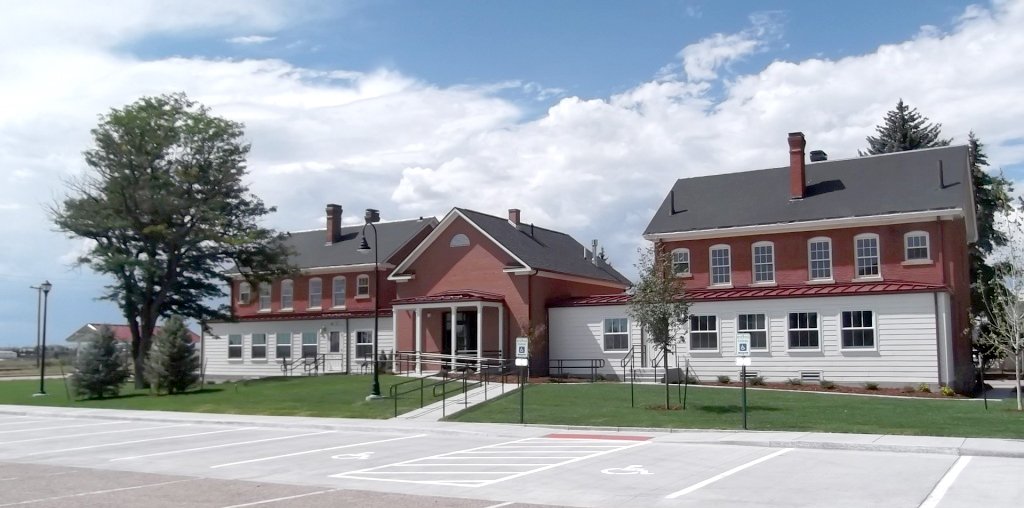
A $2.6 billion construction program is coming to southeast Wyoming, and the industrial owners around F.E. Warren Air Force Base need to plan their own work around it. The base lies about three miles west of Cheyenne and is home to the 90th Missile Wing, which operates 150 Minuteman III missiles across a 9,600 square mile complex. The Sentinel missile upgrade is now estimated at $140.9 billion, and the local share of construction is expected to bring 2,000 to 5,000 people to the area at its peak.
Concrete and steel are already moving. A 26,000 square foot Sentinel task force facility had its ribbon cutting on March 11, 2026. As of March 2026 the Missile Handling Complex was 75 percent complete, with a projected date of July 2026, and the Wing Command Center was 59 percent complete, with a projected date of June 2027. A utility corridor pilot starting in summer 2026 will lay more than 23 miles of fiber across the state line, and the target for initial operational capability is 2033.
We are not on that program, and we do not claim to be. We are the industrial contractor for the owners who live next to it: suppliers, support firms and plant operators who need slab, steel, power and yards while the base takes the region's trades. The sections below explain what that means for schedule, labor and cost.
The program calendar and your calendar
Construction at the base was expected to begin in 2027 according to a 2023 projection, and the target for initial operational capability is 2033. Dates have moved before, and the cost estimate has risen from about $78 billion to $140.9 billion. Local owners should not plan around a single date. We build schedules with float and decision points that let a project accelerate or wait.
The most useful window is the one before the program peaks. Foundations, shells and site utilities placed before the program peaks avoid competition for crews, ready-mix and inspectors. Our long-lead procurement management secures steel, gear and rebar early, so your order is not behind a larger buyer.
A military economy beside industrial parks
The Chamber of Commerce CEO said in July 2024 that the military accounts for roughly 30 to 35 percent of the local economy. The Sentinel task force detachment had 22 people in mid-2025 and is expected to grow to about 200. Those numbers give a plant manager a sense of how much demand for housing, services and support buildings is coming.
Many of those needs land in the nearby parks. Support contractors need laydown yards, shops and offices near the base, and the Cheyenne Business Parkway and North Range Business Park are the closest ready sites. Our utilities and power work includes the electrical and fiber infrastructure that supports such facilities.
What we manage closely for supporting owners
Support firms around a missile program need straightforward industrial buildings: a pre-engineered shop, a flex building with a bay, a secured yard and an office wing. We schedule and supervise the grading, utilities, concrete and paving, and we manage the shell erection with our subcontractors. Pre-engineered metal buildings deliver the fastest path from slab to occupancy.
Secure facilities often require more concrete and more conduit than a normal shop. We build duct banks, pull boxes and generator pads, then coordinate with the owner's security and communications vendors. The base's own utility corridor, which will carry fiber, shows how much underground work this program involves.
Security, badging and background checks
Contractors near a military installation often need background checks, vehicle inspection and documented material handling. Even if your site is outside the fence, deliveries and subcontractors may pass through checkpoints. We plan for those constraints and keep rosters and tool lists ready.
Federal programs also bring strict safety expectations. Our site safety plans cover fall protection, trenching, crane lifts and hot work, with daily toolbox meetings and documented inspections. For owners in the supply chain, we align our records with what primes and agencies expect, so subcontract audits go smoothly.
Who builds near the base
Defense suppliers, engineering firms, logistics providers and utility contractors all need industrial space. An advanced manufacturing shop may need a clean room, a controlled-access area and reliable power. A logistics firm needs a cross-dock and a yard. Fabrication and equipment storage firms have similar needs.
We adapt each building to the user. A fabrication bay needs crane rails and a thick slab, a laydown yard needs stabilized base and drainage, and an office wing needs security and fire systems. The airport area, with its own security culture, offers additional sites for such users.
Labor and the trades squeeze
Between 2,000 and 5,000 workers at peak will test housing, rentals and restaurants. Plant owners should expect higher wages and slower hiring for skilled trades. We lock crews and subcontractors early, and we keep core staff in place across projects to protect continuity.
Material supply will tighten as well. Concrete, rebar, structural steel and electrical gear are all in demand. Owners who commit early secure their place in line. We help clients convert a rough program into a procurement plan with order dates, delivery windows and a fallback for each critical item.
Planning ahead of the Sentinel peak?
Tell us the building, the load and your target date. We will lock the long-lead items and the crew so your project finishes before the region gets busier.
Common Questions
Are you part of the Sentinel program?
No. We build for industrial owners in the region, including suppliers and support firms near the base. We do not claim a role in the program. Our value is in preparing sites, buildings and utilities before the program peaks.
When will the labor market tighten?
Peak construction is expected to bring 2,000 to 5,000 people to the area, with construction at the base expected to begin in 2027 according to a 2023 projection. Tightening can start earlier as contractors line up crews. We recommend starting your project early and locking subcontractors.
Do I need security clearances to work near the base?
Not necessarily, but deliveries and subcontractors may pass through checkpoints. Background checks and vehicle inspection are common. We ask for the owner's requirements before pricing so access costs are visible.
How should I protect my schedule from program delays?
Build float and decision points. Dates have moved before and cost estimates have grown, so plan in phases and use options. Long-lead items should be ordered early with cancellation terms where possible.
Which building codes apply near the base?
Wyoming has no single statewide code, and local offices adopt their own. The state adopted the 2024 International Codes on June 28, 2024, and Laramie County adopted the 2024 International Building Code effective January 1, 2025. Federal facilities follow federal criteria, so we confirm the owner of record.
Related
Related Services
Related Industries
Related Service Areas
Ready to talk about your project?
Service Areas
-
Cheyenne
Ground-up plants, data center support, slabs, pads and site civil for Cheyenne owners. We build to local frost, wind and snow criteria. -
Laramie
Light manufacturing, flex and metal buildings in Laramie at 7,165 ft. We plan frost, wind and long hauls into every pour and erection date. -
Wheatland
Equipment pads, heavy-haul roads and phased work beside an operating plant in Wheatland, Wyoming. We plan around outages and I-25 hauls.