Industrial Contractor in Laramie, Wyoming
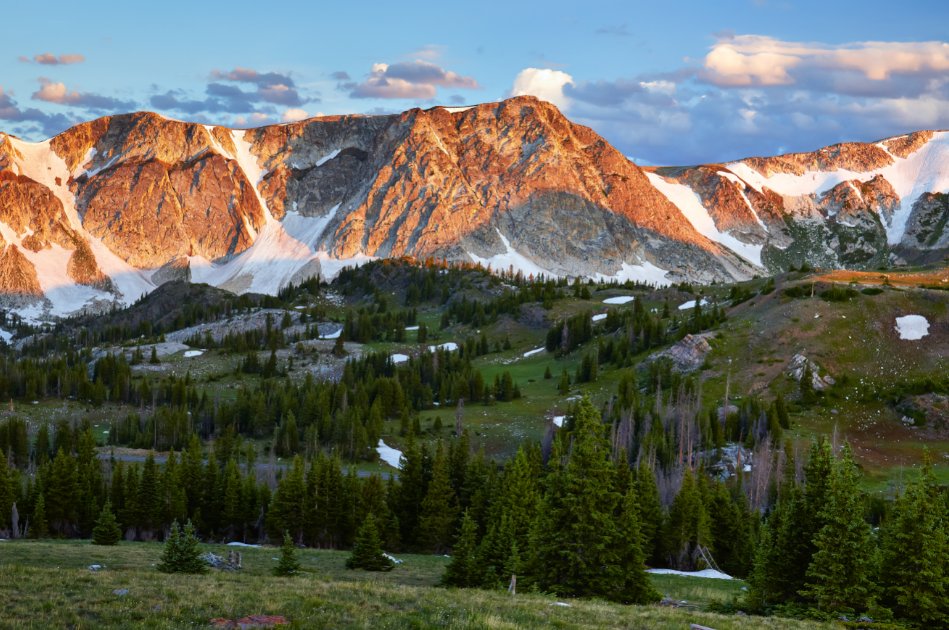
Pour a slab at 7,165 feet and the weather writes the schedule. Laramie sits about 50 miles west of Cheyenne on I-80, and the extra elevation brings a colder, drier season: roughly 11 inches of precipitation and about 48 inches of snowfall a year. Industrial owners who build here need a contractor who plans for frost heave, wind-blown snow on laydown areas and concrete that has to cure in cold air.
The corridor itself is useful to a plant. I-80 and US 287 carry trucks through town, WYO 130 runs to the airport, and the Union Pacific mainline passes through. Rail, interstate and an engineering university in one place make light manufacturing and technical facilities a reasonable bet, and the city has already put public money behind that idea.
We build the shells, slabs, pads and site civil that turn those advantages into a working building. The notes below cover how we handle the weather, which building types fit this market and how we plan cost and delivery for a site this far from the Cheyenne labor and material base.
Rail, interstate and a technology park
Laramie is on the Union Pacific mainline and is served by I-80, US 30, US 287, WYO 130 and WYO 230, with I-80 Business running through the city. The city requested a $2,935,924 Wyoming Business Council grant, recommended in November 2015, to build a 15,500 square foot manufacturing building in its river business park. That was a small, precise industrial building, and it shows the scale of work that tends to get funded here.
On the ridgeline about a mile from campus, Cirrus Sky Technology Park is zoned for technology use and marketed as shovel-ready, with a testing and certification tenant in place. Owners looking at that kind of site should ask early about utility extensions and ground conditions on the ridge. Our approach to advanced manufacturing owners starts with exactly those questions, because process power and floor flatness cannot be fixed after the shell is up.
Cold air, wind and the cure window
Concrete is the first thing the Laramie climate tests. With about 48 inches of snow a year at this elevation, subgrade stays frozen into spring and the footing excavation can be hard before it is soft. We plan thaw, backfill and compaction as separate steps, and we blanket and heat anything that cannot wait. Slab pours get enclosures and a cure plan, not just a mix design.
Wind and drifting matter as much as temperature. Laydown yards need grading that sheds snow and keeps deliveries moving, and building orientation affects how drifts form against dock doors and overhead openings. We tie site layout to the permit set early so the truck court and the apron work with the weather. Stabilized laydown yards are one of the first things we build for that reason.
Buildings that fit a university and rail town
Light manufacturing and small-bay industrial are the natural fit. A 15,500 square foot production building, a flex building with a few dock doors or a research and prototype space can all be framed with a pre-engineered system or tilt panels. Our flex and light industrial buildings work covers the shell, the slab, the mechanical yard and the paving.
Laramie Regional Airport, three miles west on WYO 130, and a steady flow of university and airport traffic create demand for support space: maintenance shops, storage and service bays. We also see steel-framed pre-engineered metal buildings chosen here for cost and schedule, since the erection crew can work in a short weather window and the envelope closes fast.
Hauling to a site 50 miles out
Distance changes how we schedule. Rebar, structural steel, switchgear and precast all come from the Cheyenne side or farther, and a closed I-80 in winter can strand a delivery. We stage material early, build a buffer into pour dates and keep a heated storage plan for anything that cannot freeze.
Crew mobilization is the other variable. We cluster scopes so a crew stays on site through the work instead of driving back and forth. Foremen travel with the work, and subcontractors get firm start dates so nobody drives 50 miles to wait. We also line up inspection windows with the local building office before we place. For owners comparing a Laramie site against one in the Cheyenne parks such as the Business Parkway, we price that distance openly so the comparison is fair.
What moves the number in Laramie
Winter protection is the largest line owners underestimate. Heat, enclosures, blankets and added cure time do not show on the drawings, yet at 7,165 feet they decide whether a December pour is possible. We separate that cost so you can choose between paying it and shifting concrete to spring.
Mobilization, material freight and site utilities follow. Greenfield sites on the ridge or at the edge of town often need extended water, sewer and electrical service before a foundation starts, and that scope belongs in the first estimate. Our site utilities packages get priced alongside the building so you see the full cost of the site, not only the shell. A parcel at the Cheyenne Logistics Hub may cost less to service, and we will show you that comparison side by side.
Planning a Laramie industrial site?
Send us the parcel, the process loads and the date you need to be running. We will price the winter protection, the hauls and the utilities as separate lines so the full cost is visible.
Common Questions
How cold does Laramie get for concrete and steel work?
The city sits at about 7,165 feet with roughly 48 inches of annual snowfall, so cold mornings are normal for much of the year. Concrete needs protection until it reaches strength, and we plan heat, enclosures and blankets based on the forecast. Steel erection can continue in cold weather but stops for ice and high wind. We build weather days into the schedule from the first draft.
Is Laramie a practical place for a light manufacturing plant?
It can be. The city has the Union Pacific mainline, I-80 and US 287, and the city sought a state grant for a small manufacturing building in its river business park. Labor, utilities and freight need checking against your process. We help owners compare the Laramie option against the Cheyenne parks before the land decision is final.
What do we need to know about the technology park sites?
The ridge site is described as technology-zoned and shovel-ready, which helps with entitlements. Utility capacity, soil conditions and wind exposure still need a site-specific review. We ask for geotechnical data and utility will-serve letters early, then size foundations and the power feed to the real numbers.
Who reviews my building permit in Laramie?
Wyoming has no single statewide code, and cities and counties adopt and enforce on their own timelines. The state adopted the 2024 International Codes on June 28, 2024, and local offices follow with their own adoption. We confirm the edition and the amendments with the reviewing office before we price. That check takes days and prevents redesign later.
How do you handle deliveries when I-80 closes?
We stage critical material before the cold season and avoid scheduling long-lead deliveries into the worst weeks. Pour dates carry float, and we keep alternates for ready-mix and rebar. If the road closes, crews shift to indoor or protected work instead of standing idle.
Related
Related Services
Related Building Types
Related Industries
Related Service Areas
Ready to talk about your project?
Service Areas
-
Cheyenne
Ground-up plants, data center support, slabs, pads and site civil for Cheyenne owners. We build to local frost, wind and snow criteria. -
Wheatland
Equipment pads, heavy-haul roads and phased work beside an operating plant in Wheatland, Wyoming. We plan around outages and I-25 hauls. -
Cheyenne Business Parkway
Build-to-suit plants, distribution boxes and truck courts at Cheyenne Business Parkway.