Industrial Contractor at Cheyenne Business Parkway
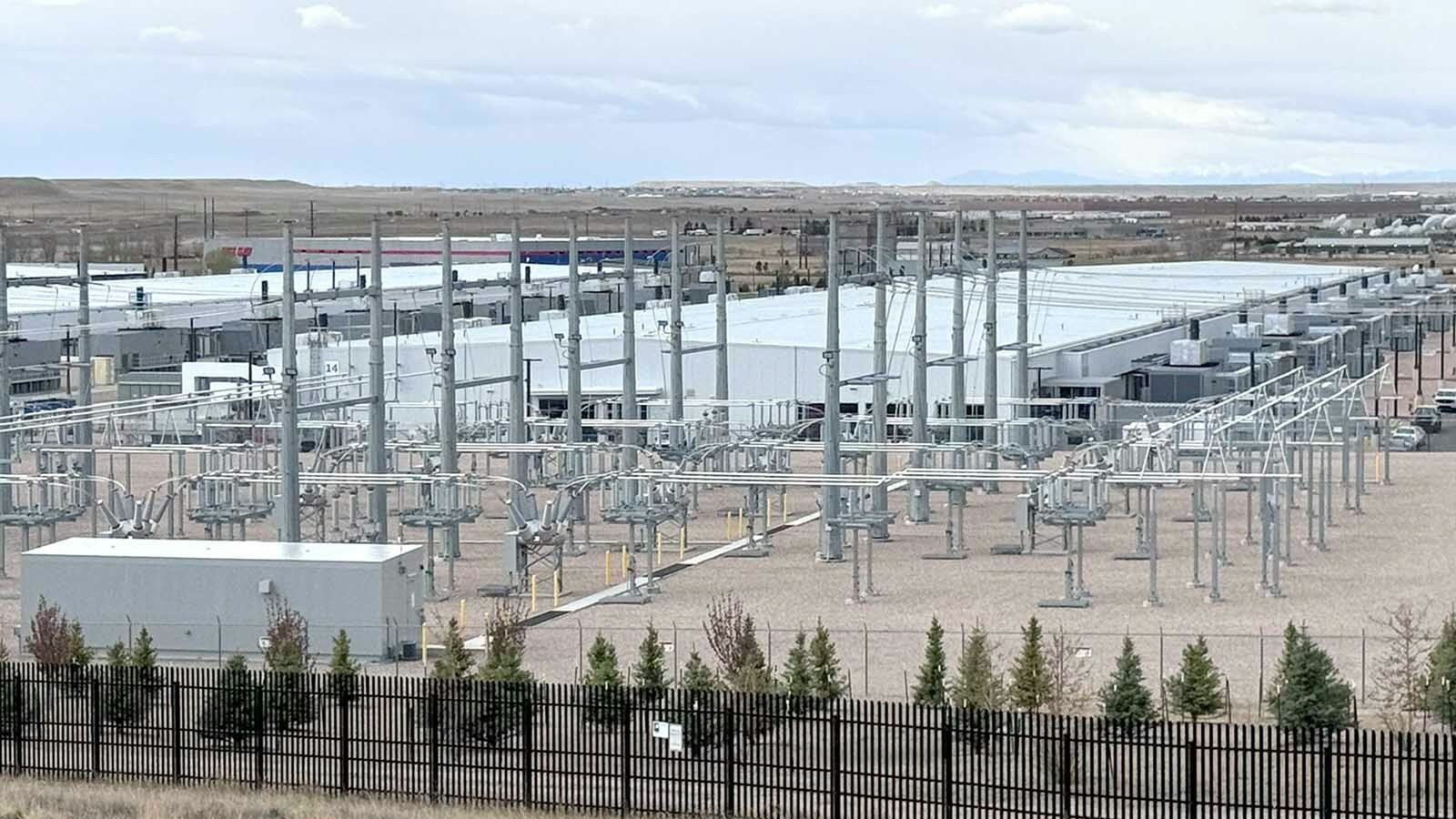
Sixty open acres in parcels under 15 acres each is the right size for a build-to-suit plant, a regional warehouse or a power-hungry equipment building, and that is what remains inside the 900-acre Cheyenne Business Parkway. The park sits within city limits and is reached from I-80 and I-25 plus arterial routes. High-volume natural gas, electricity and redundant fiber are already in place, which removes the first three questions most industrial buyers ask.
The tenant list tells you what the park is for. It includes a regional distribution center, a satellite uplink facility, a fulfillment and catalog operation, makers of fishing tackle, roof trusses and firearm accessories, a firefighter training facility and a precision tooling firm. A hyperscale cloud operator also expanded into the park area south of I-80 near Campstool Road and the Burlington Trail, according to a July 2024 report.
One limit matters for design: the park is not rail served. Anything that depends on rail belongs at the logistics hub. Everything else, from trucks to power to people, works here, and we build for it.
Build-to-suit on a truck-served parcel
A parcel under 15 acres usually carries a building of 50,000 to 200,000 square feet, a truck court and a small employee lot. We schedule and supervise the grading, utilities, concrete and paving, and we coordinate the structure and the envelope. For owners ready to start, industrial design-build puts the building, the site and the schedule under one contract.
Because the utilities are already at the park, our first job is to confirm capacity, not availability. We ask the electric and gas providers for the service size and the energization date, then place the transformer pad, the meter location and the duct bank where they cost the least and serve the layout. Fire water and stormwater come next, and both depend on parcel grade. On a flat site, detention can take a surprising share of a small parcel, so we locate it early and often shape it to double as a snow storage area.
Distribution, light assembly and equipment buildings
Truck-served distribution is the strongest fit. A tilt-wall box with dock doors on one or two sides, a deep truck court and trailer parking can be built on a parcel of this size. Our distribution center work settles the dock count, the apron slab and the interior floor flatness that racking demands before a single footing is poured. Dock-high doors, levelers and the trailer approach grade all get coordinated with the slab joints.
Light assembly and flex space suit the smaller parcels. Owners with a small production line often prefer a manufacturing plant shell with a clear height, a few overhead doors and power sized for the equipment. We build in expansion space so a second bay can be added without tearing into the first.
Where a parcel in the park gains and loses
Utilities in place save the longest part of the schedule and often the largest cost, but they do not eliminate it. Service upgrades, transformer lead times and fiber handoff points still show up in the budget. Truck court paving is the next big line, since a heavy dock apron needs thick concrete and a stable base to survive years of loaded trailers.
Owners also pay for wind and frost. A 36 inch frost line sets footing depth, and wind affects the roof and wall systems on a large, open box. We price these in the first estimate and show options where the owner can trade between a lighter structure and extra site work. Our truck courts and trailer yards pricing breaks out base, concrete and joints so you can see where money goes.
Scheduling a park build
We start with the permit path, since the park lies inside the city and the review sequence sets the earliest start. Then we issue early-release packages for grading and utilities so the site is ready when the building permit lands. The foundation goes in before the hard freeze whenever the date allows.
Next we lock the long-lead items, mainly electrical gear, dock equipment and structural steel or precast. Our preconstruction services price those against the schedule so the owner can choose between a faster date and a lower cost. During construction, a weekly look-ahead keeps every trade accountable to the critical path.
Next door and nearby
The park sits close to other major industrial sites. The 200-acre Campstool Business Park shares the same I-80 corridor, and the larger North Range Business Park sits near the same interstate crossing. If your program needs several sites or a phased expansion, our logistics and distribution work covers the planning from parcel to dock.
We also handle the support scopes that make a building work day to day: yard lighting, fencing, site concrete and stormwater detention. A single contractor for all of it removes handoffs and shortens the punch list. Owners who add a second building later find the utilities, the duct bank stubs and the storm connections already placed for it, which saves a season on phase two.
Looking at a parcel in the park?
Send us the lot, the building program and your power draw. We will test the layout, the truck court and the budget before you commit to the land.
Common Questions
Is the park served by rail?
No. Cheyenne LEADS lists Cheyenne Business Parkway as not rail served, and the only rail-served park it lists in Cheyenne is the Logistics Hub. If your process needs a rail spur or transloading, plan for the hub. Truck-based distribution, light manufacturing and equipment buildings work well here.
What can fit on a parcel under 15 acres?
A typical parcel holds a building up to a couple of hundred thousand square feet with a truck court and parking, depending on setbacks and drainage. Layout matters more than raw acreage. We study the dock count, trailer positions and turning radii before settling on the footprint, then size the detention to match.
Are utilities really in place at the park?
The park reports high-volume natural gas, electricity and redundant fiber in place. That means mains and service points, not a guarantee for your exact load. We ask the providers for service size, cost and energization date before design is final, because switchgear and transformers can set the schedule.
What codes will my building follow?
Wyoming has no single statewide code, and local jurisdictions adopt and enforce on their own timelines. The state adopted the 2024 International Codes on June 28, 2024, and the Cheyenne building office confirms what applies to your permit. In February 2025 the city's Chief Building Official said the 2018 Energy Code would remain in effect, so we verify the current edition before design.
How early should we involve a contractor?
Before the parcel is bought, if possible. We can test the building on the lot, check the truck turns and run early cost numbers. That work helps you decide between two parcels and avoids redesign after the permit set is complete.
Related
Related Services
Related Building Types
Related Industries
Related Service Areas
Ready to talk about your project?
Service Areas
-
Cheyenne
Ground-up plants, data center support, slabs, pads and site civil for Cheyenne owners. We build to local frost, wind and snow criteria. -
Laramie
Light manufacturing, flex and metal buildings in Laramie at 7,165 ft. We plan frost, wind and long hauls into every pour and erection date. -
Wheatland
Equipment pads, heavy-haul roads and phased work beside an operating plant in Wheatland, Wyoming. We plan around outages and I-25 hauls.