Industrial Contractor at the Cheyenne Logistics Hub
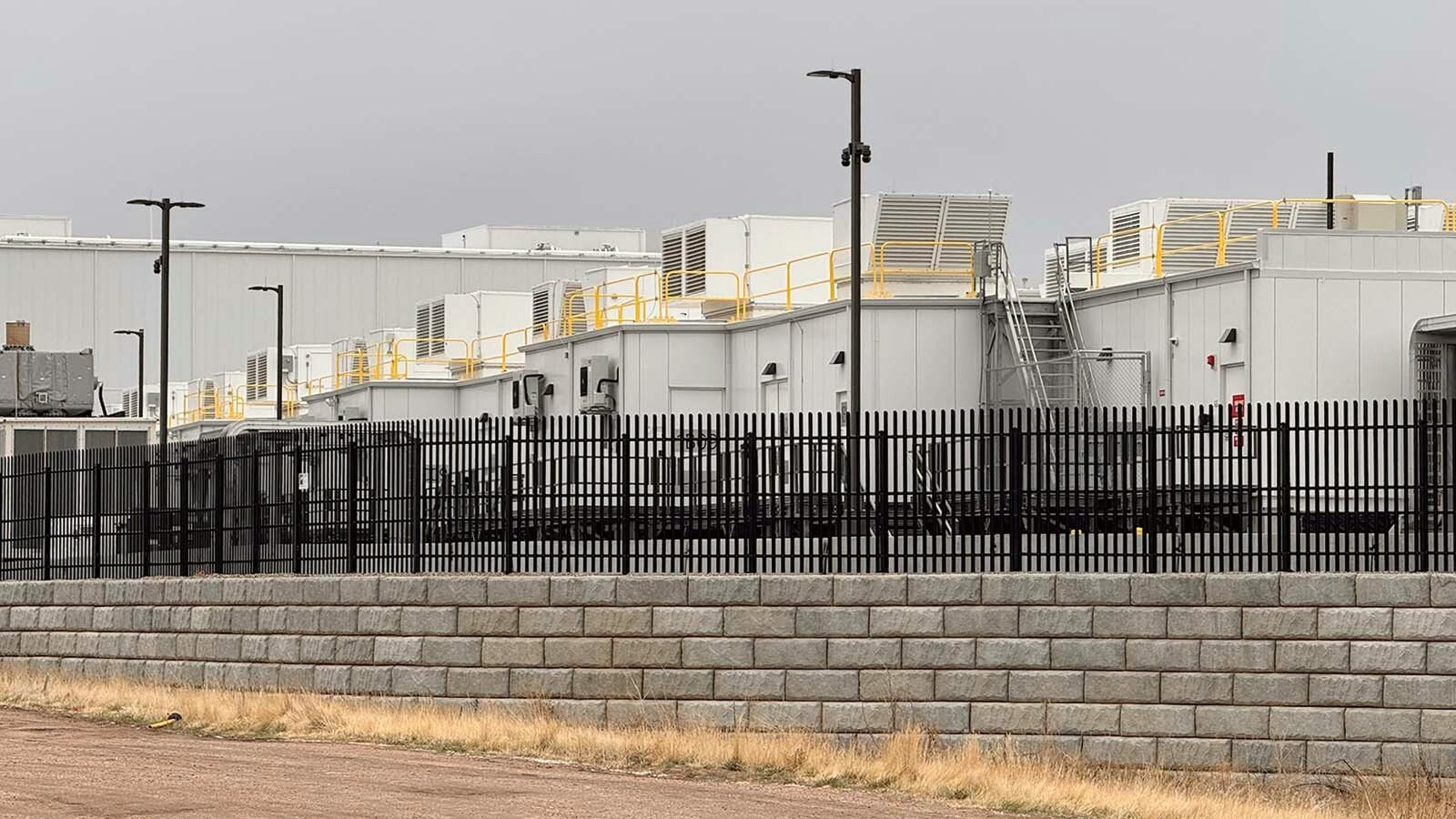
Rail changes what a plant can be, and the Cheyenne Logistics Hub is the one park in the metro that offers it. Its roughly 2,000 acres lie southwest of the city, with access to both BNSF and Union Pacific, I-80 and I-25, a short-line operator, transloading and rail car storage. Cheyenne LEADS lists about 1,500 acres still available, and the park reports fiber, water, gas, electricity and sewer service in place.
That combination suits owners who move bulk product, heavy components or full train loads. Tenants have included steel products, wind-energy components, pet food and refining businesses. For these buyers, the building is only part of the job. The spur, the ladder track, the transload pad, the scale and the truck court decide whether the site works.
We build the ground-level infrastructure that rail logistics needs: grading, stormwater, roads, heavy slab and the concrete that supports loaded equipment. The notes below show how we approach rail-served sites, the process industries that fit and the open questions on water and entitlement that owners here should settle early.
A rail-served park with room to grow
Cheyenne is where Union Pacific and BNSF intersect, and both run railyards through town. The hub is the only business park in the city that Cheyenne LEADS lists as rail served, and the neighboring Cheyenne Business Parkway is not. That makes the hub the place for anything that needs a car on a track.
The park was opened in 2012 as Swan Ranch Industrial Park, and a 2022 news report said about 1,500 acres were unsold and unoccupied at that time. Land is plentiful, so the scarcest resources are utility capacity and construction labor. We help owners confirm both before a site is picked. Our metals and heavy industry work covers the foundations and slabs those operators need.
Process, bulk and heavy components
A proposed nitrogen fertilizer plant shows how large the ambitions here can be. In October 2026 a news report said a development-stage company has proposed a plant near Cheyenne producing urea, UAN and diesel exhaust fluid at 2.5 million metric tons per year, with this park the likely site because of its rail access. No final site has been chosen, and the mayor described a multi-billion-dollar facility. We treat that as a proposal, not a project. Truck traffic to and from the park would use the I-25 and I-80 interchange, so freight planning starts there.
Even so, it tells owners what the park can attract. Bulk chemical, metals and component handling all need heavy foundations, containment and rail-grade site work. Food and beverage and advanced manufacturing owners bring a different set of needs: clean floors, sanitary drainage and temperature-controlled space. We plan each differently, and we do not force a single slab detail onto every tenant. A tank farm wants containment, a food plant wants sloped floors and drains, and a metals handler wants thick reinforced concrete with a hard-wearing surface.
Pads, aprons and heavy slab
Rail-served sites punish weak concrete. Transload pads handle loaded forklifts and truck traffic, and bulk storage slabs hold weight for years. We schedule and inspect the base preparation, the reinforced slab and the joints, and we keep the elevations tied to the track so product moves cleanly from car to truck. Our rail spur site improvements cover the civil work around the track, from grading and drainage to crossings.
Where equipment is heavy, we step to deeper foundations. Tanks, mills, stacks and process skids may need piers or mat slabs, and the soil report decides which. We also build equipment pads and foundations with embeds set to survey control, so the vendor's equipment lands where it is meant to land.
Water, entitlement and review
Water is the first question on a process plant. In the October 2026 report, Cheyenne council members asked whether a proposed fertilizer plant would use the city system or its own well drawing on the county aquifer. That question applies to any large industrial water user. We help owners define demand, fire flow and wastewater early and bring the answers to the city and the county.
Codes follow the parcel. Wyoming does not have a single statewide building code, so the reviewing office is the one that matters. The state adopted the 2024 International Codes on June 28, 2024, and Laramie County adopted the 2024 International Building Code effective January 1, 2025. Our permitting and entitlements coordination lines up zoning, review and inspection so the schedule does not stall.
Wind, frost and long spurs
A 2,000-acre park is open country, and wind controls much of the work. Crane picks stop at wind limits, dust has to be managed on graded areas. Frost at 36 inches shapes footing depth, and subgrade under track and pads must be protected from freezing and thawing.
Distance inside the park matters as well. A spur can run thousands of feet, and haul roads, drainage and utility corridors stretch alongside it. Bulk earthwork needs balancing so cut and fill stay inside the site where possible. We stage material, set up temporary access and sequence earthwork so the spur, the building and the yard come online in the right order. The High Plains Business Park to the south shows what a similar open-country build looks like.
Need a site with rail?
Tell us the product, the carloads and the plant footprint. We will price the spur work, the heavy slab and the utility path before you commit to a parcel.
Common Questions
Is a rail spur practical for a small user?
It can be, depending on volume. A short-line operator, transloading and rail car storage are all available at the hub, which lowers the barrier for smaller shippers. We help you compare a private spur against shared transload service before spending on track. The comparison depends on carloads per month and product handling.
What does the fertilizer proposal mean for other tenants?
It is a proposal, not a final project. A news report in October 2026 said the company had not chosen a final site and that the hub was the likely one. Owners should not plan around it. If it moves forward, it could draw labor, materials and utility capacity, so early scheduling helps.
How much utility service is in place?
The park reports fiber, water, gas, electricity and sewer service in place. As with any large site, capacity at your parcel still needs confirmation. We request will-serve letters and load studies during preconstruction, and we flag long-lead gear.
Who reviews permits at the hub?
The reviewing office depends on the parcel. Wyoming has no single statewide code, and cities and counties adopt and enforce their own. Laramie County adopted the 2024 International Building Code effective January 1, 2025, and the city has its own review path. We confirm which office holds your parcel before design.
Do you build tilt-wall or metal buildings at rail-served sites?
Yes. Both fit, and the choice depends on span, crane access and schedule. Tilt-wall suits large boxes with a heavy floor, and pre-engineered metal suits fast, lower-cost buildings. We lay out the dock and rail side first, then choose the structure.
Related
Related Services
Related Industries
Related Service Areas
Ready to talk about your project?
Service Areas
-
Cheyenne
Ground-up plants, data center support, slabs, pads and site civil for Cheyenne owners. We build to local frost, wind and snow criteria. -
Laramie
Light manufacturing, flex and metal buildings in Laramie at 7,165 ft. We plan frost, wind and long hauls into every pour and erection date. -
Wheatland
Equipment pads, heavy-haul roads and phased work beside an operating plant in Wheatland, Wyoming. We plan around outages and I-25 hauls.