
Industrial Contractor at High Plains Business Park
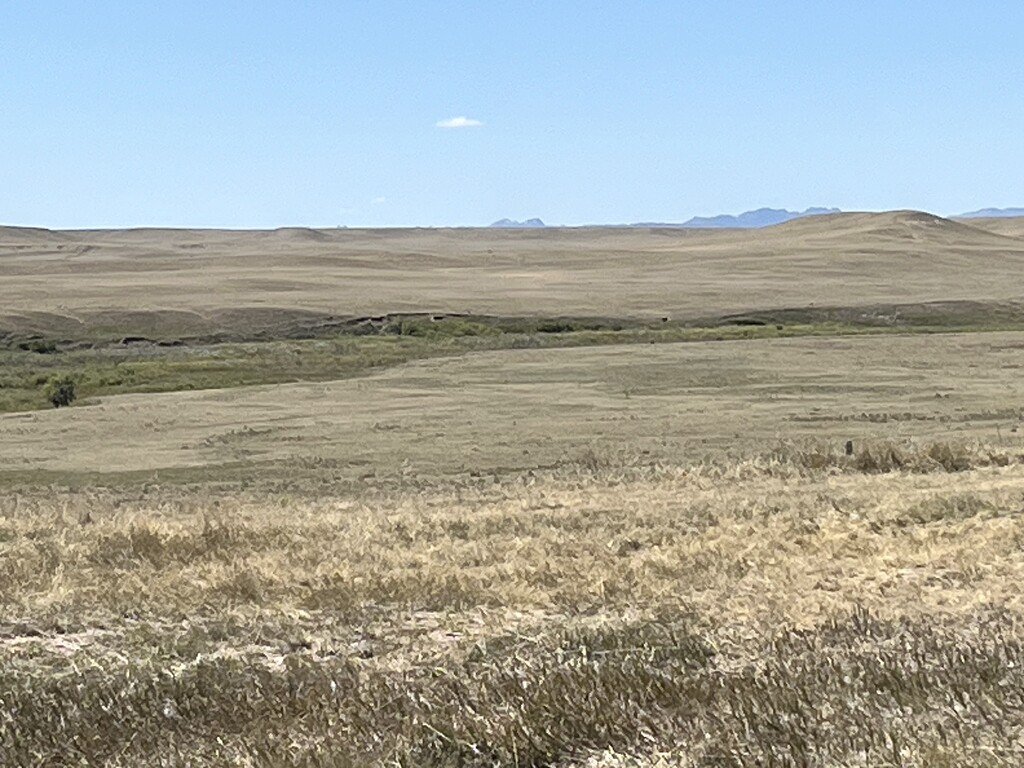
Seven infrastructure bid packages, 12 easements and a 4.5-mile road came before the first data hall at High Plains Business Park, and that order is the model for any owner developing a campus here. The park is 1,100 acres on South Greeley Highway (US 85) in south Cheyenne. Its first tenant, a hyperscale operator, announced an $800 million, 715,000 square foot data center on 960 acres of it in July 2024, with opening scheduled for 2027.
The numbers behind that announcement set the scale for everyone else. The project expects about 100 permanent jobs and more than 1,000 skilled trade jobs at peak construction, and the infrastructure alone created 246 construction jobs. The infrastructure was delivered between April 2024 and December 2025: two sanitary sewer mains, one water main, a new 4.5-mile road and a traffic signal on US 85. All of it was privately funded by the tenant, and it opens an additional 2,800 acres to the south.
We build the pieces that surround a data hall: the support buildings, the electrical and cooling pads, the underground duct banks and the heavy haul and access roads. The sections below explain how we approach campus-scale work, what a closed-loop cooling design means for the site and how we manage a schedule when thousands of trade workers share one road.
Closed cooling, noise and neighbors
The operator agreed to use no more water than a standard business with 100 employees and plans closed-system cooling. That choice moves the weight from water to power and pad space. Heat rejection equipment, pumps and piping need concrete foundations, drainage and freeze protection at a 36 inch frost line. We design the mechanical yard so every piece sits on a pad that will not settle and every pipe run has a protected route.
Some neighbors raised noise and traffic concerns at the announcement. That is a design input, not an obstacle. Site layout, berms, equipment orientation and construction hours all reduce impact. We plan haul routes, flagging and delivery windows early and talk with the owner about how to keep neighbors informed. For data center owners, sound and traffic go into the sequence from day one.
Why this park keeps growing
The park exists because the infrastructure was funded and built for a single large user, then left in place for others. Cheyenne LEADS manages the park and obtained 12 easements for access, water and sewer. The road to the site became High Plains Road after the Intermountain Speedway closed. Another 2,800 acres immediately south is planned for mixed use, including new housing.
For industrial owners, this means the south side of Cheyenne will keep gaining roads, utilities and workers. Early parcels benefit from the existing mains, but later ones will compete for the same trades. Owners who want a smaller parcel with utilities already in the ground can compare Cheyenne Business Parkway before they commit. Our long-lead procurement management protects owners from supply-chain delays while the region's data center building continues.
Pads, duct banks and heavy haul roads
Data centers ride on concrete and copper. We schedule and inspect generator and switchgear pads, equipment foundations and the underground duct banks that connect them. A typical campus needs miles of encased conduit, with spacers, rebar and thermal backfill. The electrical duct bank underground trade crews lay them out to survey control and pour them in sequence.
Roads matter just as much. Transformers and chillers arrive on multi-axle trailers that stress pavement and turn slowly, so we build heavy-haul access roads with deep bases and wide radii. Where the owner needs a long-lasting yard, we build stabilized laydown yards that stay firm in spring thaw and keep material off mud.
Support buildings around the hall
Every large data hall needs satellite buildings: security gatehouses, maintenance shops, warehouse and receiving space, and electrical or mechanical enclosures. Many are built with pre-engineered steel or tilt panels for speed. Our data center support buildings work covers shell, slab, utilities and finishes so the campus can operate as soon as the main hall energizes.
We also help with the owner's phasing. A campus rarely opens as one building. Expansion pads, stub-outs and future duct bank routes go in during the first phase so later halls do not need to cut open completed work. That planning saves schedule and prevents damaged pavement.
Trades, housing and one road
More than 1,000 skilled trade jobs at peak construction put real strain on the metro. Hotels fill, ready-mix capacity tightens and every inspector's calendar gets busy. Owners who start a second project nearby should expect some competition for crews. We lock subcontractors and material early, and we keep a clear look-ahead so a late delivery does not strand a crew.
US 85 is the main access, and a new signal now manages the entry. Freight bound for the park often passes the I-25 and I-80 interchange, so we check that route for closures before each big delivery. We schedule deliveries outside peak shifts, use staging areas away from the highway and coordinate with other contractors on the park road. For help with the wider logistics picture, our Cheyenne Logistics Hub page shows the rail-served option to the southwest.
Safety on a campus-scale site
Large campuses concentrate risk: heavy equipment, trenching, crane lifts and energized work all in one place. We hold daily coordination meetings with other contractors, keep traffic plans current and enforce site rules without exceptions. Trenches are sloped or shored, and utilities are located before excavation.
Wind is a daily safety factor on this open ground. Crane lifts and panel erection stop at set limits, and we secure materials and temporary structures. Heat and cold are managed with hydration, warm-up areas and scheduled breaks. Each crew starts the shift with a hazard review specific to that day's work.
Developing a campus in south Cheyenne?
Send us the parcel, the load and the opening date. We will lay out the pads, the duct bank and the haul roads so the campus can phase without rework.
Common Questions
What utilities are available at the park?
The park has two sanitary sewer mains, a water main, a 4.5-mile road and a signal at US 85, delivered between April 2024 and December 2025. Power and fiber for your specific load need to be confirmed with the providers. We request service sizes and dates early because switchgear and transformers often drive the schedule.
Does closed-loop cooling change site design?
Yes. Closed systems reduce water use but add heat rejection equipment, pumps and piping. The site needs more pad area, drainage and freeze protection. We plan the mechanical yard so it can take future equipment without rework.
How do we manage traffic with such a large project nearby?
We stagger deliveries, use designated staging areas and coordinate with the park's other contractors. US 85 is the main access, so timing matters. Flaggers and signage manage the entry when volumes are high.
Can a smaller user build in the park?
The park has 1,100 acres and a stated 2,800 additional acres south of it, so parcel sizes can vary. Smaller users benefit from existing mains and roads. They also face the same trades competition, so early planning matters.
Which codes apply to a data hall here?
Wyoming has no single statewide code, and local jurisdictions adopt their own. The state adopted the 2024 International Codes on June 28, 2024, and Laramie County adopted the 2024 International Building Code effective January 1, 2025. We confirm the reviewing office for your parcel and the edition that applies.
Related
Related Services
Related Industries
Related Service Areas
Ready to talk about your project?
Service Areas
-
Cheyenne
Ground-up plants, data center support, slabs, pads and site civil for Cheyenne owners. We build to local frost, wind and snow criteria. -
Laramie
Light manufacturing, flex and metal buildings in Laramie at 7,165 ft. We plan frost, wind and long hauls into every pour and erection date. -
Wheatland
Equipment pads, heavy-haul roads and phased work beside an operating plant in Wheatland, Wyoming. We plan around outages and I-25 hauls.