
Long-Lead Procurement Management in Cheyenne
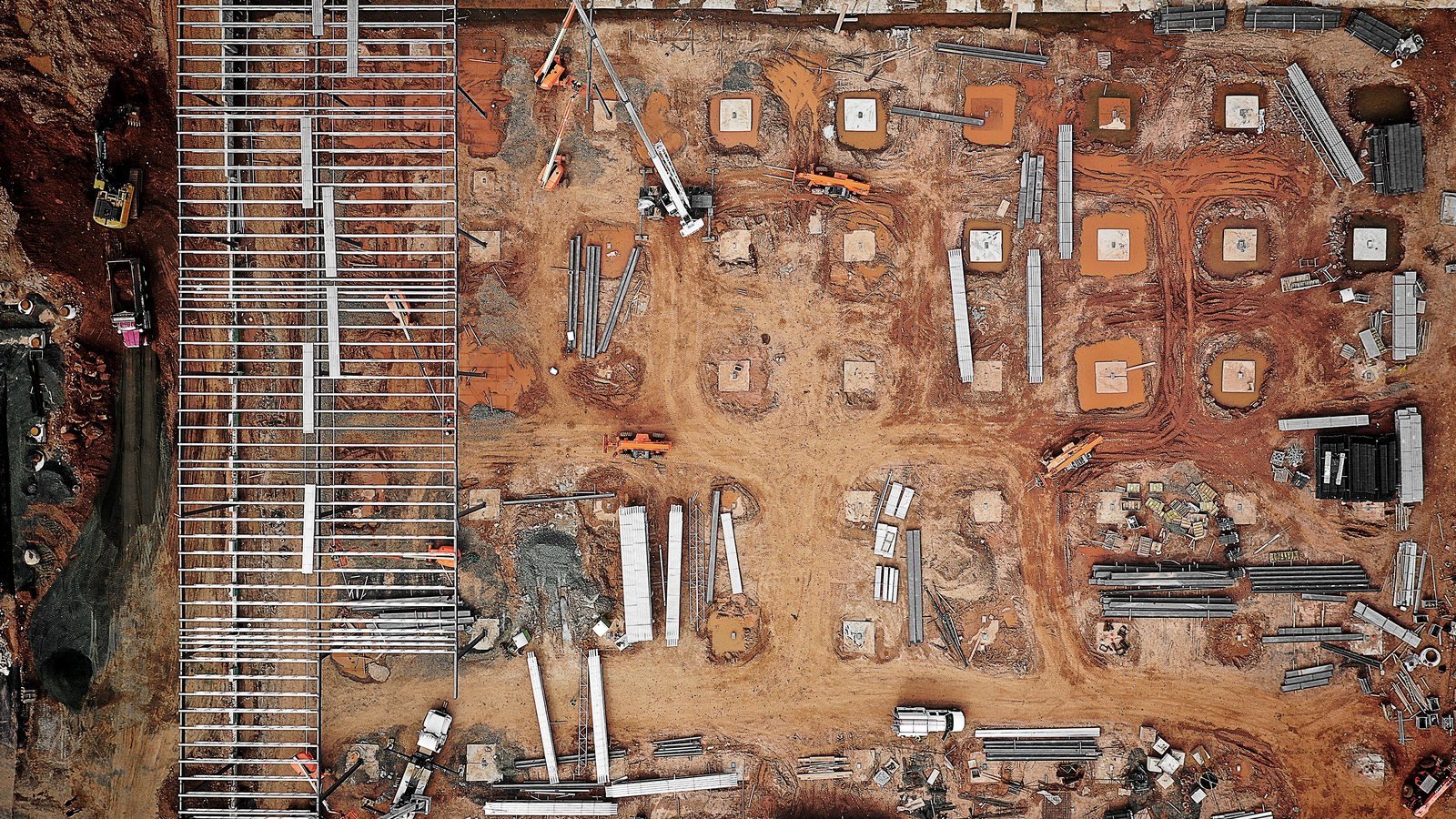
Switchgear that arrives after the roof is on is a building you cannot energize. On an industrial job the longest-lead item is rarely the one the owner is watching. It is a transformer, a generator, a chiller, a bank of breakers or a bridge crane, and each has its own fabrication queue and its own factory test date. We manage those items as a separate project that runs beside the building.
In the Cheyenne market the queue is crowded. Data center construction, missile-system upgrades and rail-served logistics are drawing on the same electrical and structural suppliers, and the same skilled trades. A procurement plan that was fine two years ago may now be a year behind.
Our long-lead service starts at schematic design. We identify every item that takes more than 12 weeks to deliver, get written lead times, and place orders on the owner's authority. Then we track fabrication, factory acceptance, shipping and set date until each item is on the pad.
Building the schedule backward from the set date
We treat a delivered date as the output, not the input. Start with the date you need the plant energized. Subtract commissioning and testing, subtract installation, subtract shipping and rigging, subtract factory test, subtract fabrication. The result is the date the order must be placed, and the date drawings must be approved before that. For most industrial gear, that falls near the end of schematic design, well before final pricing.
That is why we ask owners for early release authority. A deposit on a transformer is a smaller risk than a four-month slip on opening. We write the release letters, include cancellation terms, and document the approval so everyone knows what has been committed.
Competition for gear and crews
The hyperscale campus announced for south Cheyenne is an $800 million, 715,000 square foot data center with more than 1,000 skilled trade jobs at peak construction and an opening scheduled by 2027. Separately, the missile-system modernization at the air base is projected to bring about $2.6 billion in construction spending to southeast Wyoming, with 2,000 to 5,000 workers at peak, and the Chamber CEO expects local electricity demand to rise about 50% over five years. Those projects pull on the same pool of electricians, ironworkers, crane operators and equipment suppliers.
We plan around that pool. We lock crews and cranes early, we book rental equipment ahead of seasonal peaks, and we carry travel and lodging allowances in estimates when the local labor market tightens. Owners who see those costs at the start budget for them. Owners who see them later call them overruns.
Tracking from purchase order to pad
Every long-lead item has a one-page tracker with seven milestones: submittal, approval, release for fabrication, factory test, shipping, delivery and set. We update the tracker weekly and share it with the owner. If a supplier slips, we find out in days and not at delivery.
Where a delivery is oversized, we plan the route and the weather. A heavy transformer or a long precast piece moving on I-80 faces wind advisories and chain laws in winter, and a missed day can cost a crane rental. We confirm hauling permits, escort needs and crane capacity before the truck leaves the factory. Our underground electrical work times the duct banks and pads so the equipment lands onto a finished foundation.
Where the money moves
Procurement cost has three parts: the price of the gear, the cost of holding it, and the cost of being late. Gear prices move with metal markets and factory load. Holding costs include storage, insurance and the risk of damage on site. Lateness costs include liquidated damages, lost production and standby crews. We quantify all three and show them side by side, so the owner can choose between buying early and risking the date.
For metals and heavy industry clients, structural steel and crane runway girders add to the list. A pre-engineered metal building has its own lead time, driven by engineering and mill rolling, and we bring that package forward when the schedule is tight.
Receiving, rigging and set
Delivery is where schedule risk turns into physical risk. A 40,000 pound transformer arriving on a wind day needs a crane sized for the pick at the working radius, not just the weight, and a set pad poured and cured to the right strength. We check anchor bolt templates against the vendor drawings before the pad is poured, because a bolt pattern off by an inch is a week lost.
We also plan the first 30 days after delivery. Who megger-tests the windings, who checks oil level and seals, who covers the warranty clock, and who holds the keys? Those questions have answers in the turnover plan before the truck arrives.
Tie-ins with other scopes
Procurement is not a stand-alone service. It connects to commissioning, where factory test reports become part of the turnover package, and to multi-site rollouts, where standardizing a spec across sites can win volume pricing and shorten lead times. It also ties to the permit review, since many jurisdictions want equipment data before they release a power permit.
The data center corridor is the clearest case. Utility partners, switchgear makers and cooling suppliers must all deliver on dates that match a single energization day. A single late chiller can hold a hall of servers dark, so we build float into the sequence for exactly that item and review it each month with the owner's engineer.
Order the gear before you finish the drawings
Send the equipment list and the energization date. We will return a lead-time register and release dates.
Common Questions
Which items count as long lead on an industrial job?
Anything with a quoted delivery above 12 weeks. That usually includes medium-voltage switchgear, transformers, generators, chillers and cooling equipment, bridge cranes, structural steel packages, precast, dock equipment and large rooftop units. We confirm each with written lead times.
Do we have to commit before the design is final?
For the longest items, yes. We place orders when the specification is stable enough to buy, often with submittals still to come. The release letter lists what is committed, what can change and what a cancellation costs.
What if a supplier misses a date?
We escalate in the first week, look for expediting options, and re-sequence the field work so the building can still progress. If the miss threatens the energization date, you hear it from us the same day.
Does storing equipment on site add risk?
It does, so we plan it. A fenced, graded laydown area, weather protection and a written receiving inspection reduce damage claims. Some items go to off-site storage until the pad is ready.
How do you handle price changes between quote and order?
We get quotes with defined validity periods and tie the order to approved submittals. If prices move, we report the change before the order is placed and let you decide whether to proceed.
Related
Related Services
Related Building Types
Related Industries
Related Service Areas
Ready to talk about your project?
Industrial Construction Services
-
Ground-Up Industrial Construction
Ground-up plants and industrial buildings in Cheyenne and Laramie County, built around utilities, slab spec, wind load and a 36 inch frost line. -
Industrial Design-Build
One contract for design and construction of Cheyenne industrial plants, with guaranteed pricing, early utility release and closely managed site work. -
Industrial Preconstruction Services
Site feasibility, utility review, estimating and scheduling for Cheyenne industrial projects, priced on real quantities before design is frozen.