
Industrial Contractor at Cheyenne Regional Airport
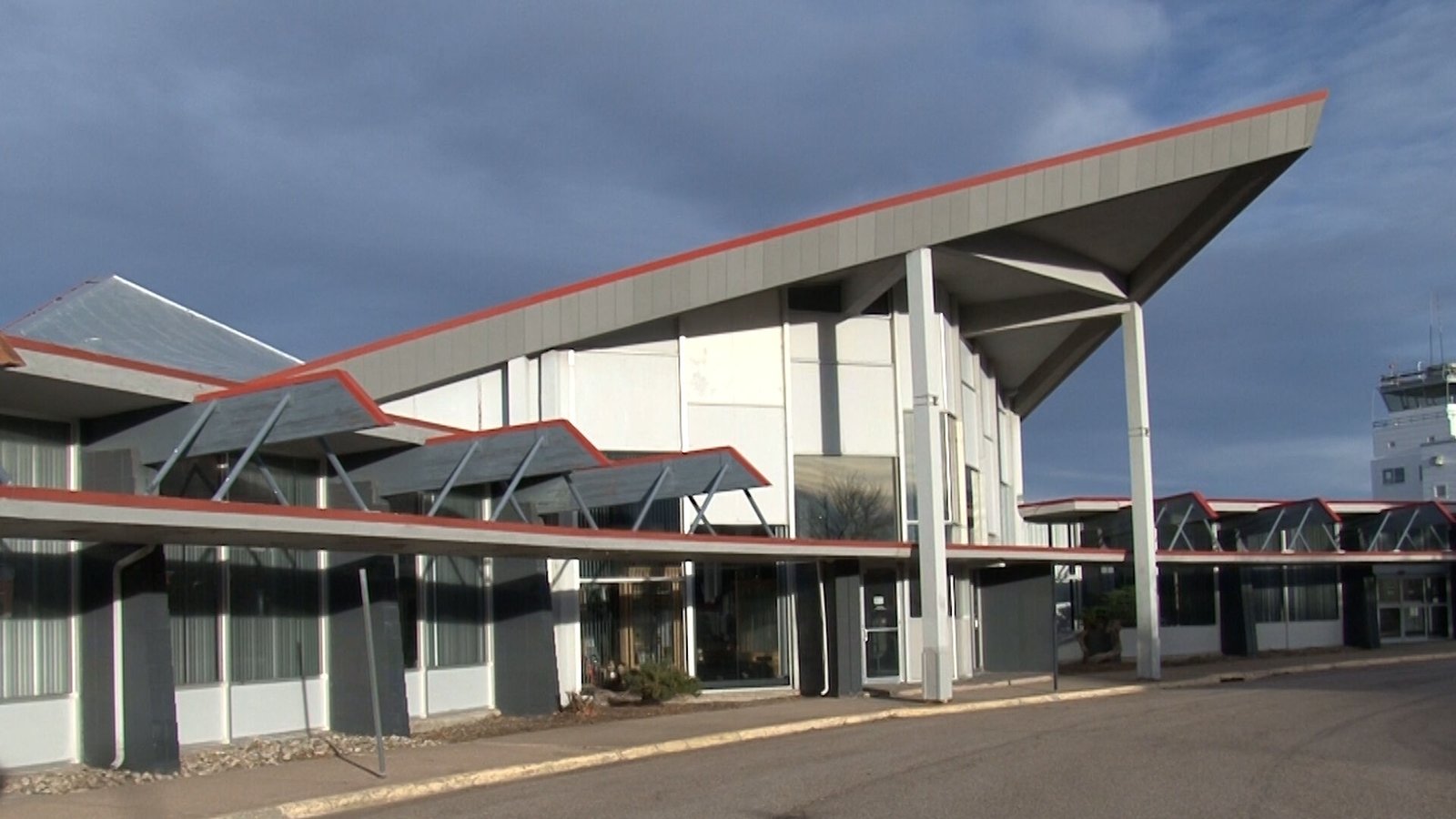
Airfield-side construction in Cheyenne works around a 9,270 foot concrete runway, a 6,160 foot elevation and an active Air National Guard base, and the rules that come with them. Cheyenne Regional Airport covers 1,060 acres about a mile north of downtown. A second runway of 6,690 feet crosses the field, and the terminal at 4020 Airport Parkway West sits close to downtown and I-25.
The airport is a mix of civil and military use. Cheyenne Air National Guard Base occupies about 77 leased acres on the field and hosts the 153d Airlift Wing with C-130H aircraft, and the Wyoming Army National Guard also uses the base. Airline service from the field carried 58,850 passengers in calendar 2025. The airport had 33,250 aircraft operations in 2020, which suggests how much activity surrounds any contractor on site.
We build hangars, maintenance shops, aprons, security fencing and utility corridors for owners who operate on or beside an airfield. The sections below set out the regulatory layers, the building types that fit and how we plan a job where every crane, truck and worker is part of the airfield environment.
Airfield rules before building rules
Work on or near an airfield adds approvals on top of the usual building permit. Cranes and tall equipment need height notice to aviation authorities, haul routes cross security lines and some areas require escorts and badges. We start those approvals early, since they can take longer than the design itself.
The building codes follow the standard Wyoming path. The state has no single statewide code and local offices adopt their own, so we confirm the reviewing office and edition. The state adopted the 2024 International Codes on June 28, 2024, and Laramie County adopted the 2024 International Building Code effective January 1, 2025. Fire code review matters especially for hangars, fuel areas and foam suppression, and our permitting and entitlements coordination tracks all of it.
Hangars, shops and aprons
An aircraft hangar is a long-span building with a very large door, a slab designed for aircraft loads and fire protection systems sized for fuel. We build hangars in steel and in pre-engineered systems, with the door structure, track and foundations coordinated early. Clear height and door width decide the design more than anything else.
Support buildings follow. Maintenance shops, ground-support equipment storage and fleet service bays serve the airport and the Guard. Our government and municipal work includes the procurement, bonding and documentation that public owners require. Where concrete aprons are needed, we build to the owner's pavement design with attention to joints, sealing and edge drainage.
Working next to live aircraft
Every worker on the field goes through airfield orientation, and every vehicle follows marked routes. Foreign object debris is a serious hazard, so we sweep, cover loads and inspect tires at the gate. Lights, cranes and tall equipment are marked as required, and work stops when the airport asks.
The airport also has its own history of projects. Runway reconstruction suspended airline service from April 4 to August 31, 2023, with flights resuming September 10, 2023, and a $2 million jet bridge was installed the same year. Those events show how much planning goes into closures. We follow the same logic on smaller scopes and agree on work hours, haul routes and cleanup standards in writing before mobilizing.
A field with civil and military demand
The airport serves airlines, the Air National Guard and general aviation. The field had 49 based aircraft in 2020, and the Guard base occupies a share of the field. Demand for hangars, shops and aprons comes from all three, and public owners often work on multi-year capital plans.
The historic terminal, hangar and fountain, built between 1929 and 1934, are on the National Register of Historic Places, and the former terminal has been proposed for conversion to an aviation museum. Work on historic structures needs careful preservation review, and any new electrical service that touches them has to be agreed with the owner and with utilities and power providers before trenching starts. The nearby F.E. Warren Air Force Base shares much of the same security culture.
Security, fencing and access control
Airfields and military sites need fences, gates and access control. We build fencing and security integration that coordinates with the owner's systems: card readers, cameras, vehicle gates and lighting. Conduit and power are placed during the underground phase so we do not cut finished pavement.
Lighting is the other detail. Yard lighting near an airfield must avoid glare toward pilots, and fixtures must meet the owner's standards. We submit cut sheets early and mock up fixtures where the owner wants a review. Underground work follows survey control, and as-built drawings go to the owner at turnover.
Planning around closures and security
Schedule is driven by access. Escorts, badging and work-hour limits all reduce the number of productive hours, so we plan for them in the estimate. Material deliveries enter at a defined gate and are inspected, so trucks need appointments, and large loads need advance approval.
Weather and altitude add to the challenge. At 6,160 feet, wind and cold affect concrete and crane work, and the same winds can affect flight operations. For owners comparing airfield and non-airfield sites, the medical center area and other downtown parcels show a different set of constraints. We help owners compare them side by side.
Building on or beside the airfield?
Tell us the aircraft, the building and the approvals in hand. We will plan the slab, the door, the security and the access so the schedule survives the airfield rules.
Common Questions
Do you need special approval to build near the runway?
Typically yes. Cranes and tall equipment need height notice to aviation authorities, and work near active areas needs airport approval. Security badging and escorts are usually required. We submit these early and build the approval time into the schedule.
What size slab does a hangar need?
It depends on the aircraft. Light aircraft hangars use thinner slabs, while larger aircraft and heavy tugs need reinforced concrete, often with a slope to floor drains. We work from the owner's design and add joints and sealing to suit. Fire suppression and fuel containment can drive the slab design as much as the aircraft.
How do runway closures affect contractors?
The 2023 runway reconstruction suspended airline service for months, from April 4 to August 31, so closures can be long. Contractors need to coordinate haul routes, work hours and staging with the airport. We keep a written plan and update it whenever the airfield changes.
Can you build on the military side of the field?
The Guard base occupies about 77 leased acres and has its own security rules. Work there follows the military owner's requirements for access, background checks and documentation. We confirm those requirements before pricing, since they affect labor and schedule.
How does wind affect hangar construction?
Hangar doors are big wind targets, and a partly built frame can be unstable. We brace the structure, schedule door installation in calm periods and avoid lifts above the crane's wind limit. At this elevation, that discipline keeps the job on schedule.
Related
Related Services
Related Building Types
Related Industries
Related Service Areas
Ready to talk about your project?
Service Areas
-
Cheyenne
Ground-up plants, data center support, slabs, pads and site civil for Cheyenne owners. We build to local frost, wind and snow criteria. -
Laramie
Light manufacturing, flex and metal buildings in Laramie at 7,165 ft. We plan frost, wind and long hauls into every pour and erection date. -
Wheatland
Equipment pads, heavy-haul roads and phased work beside an operating plant in Wheatland, Wyoming. We plan around outages and I-25 hauls.