
Industrial Training Labs and Shop Buildings Near Laramie County Community College
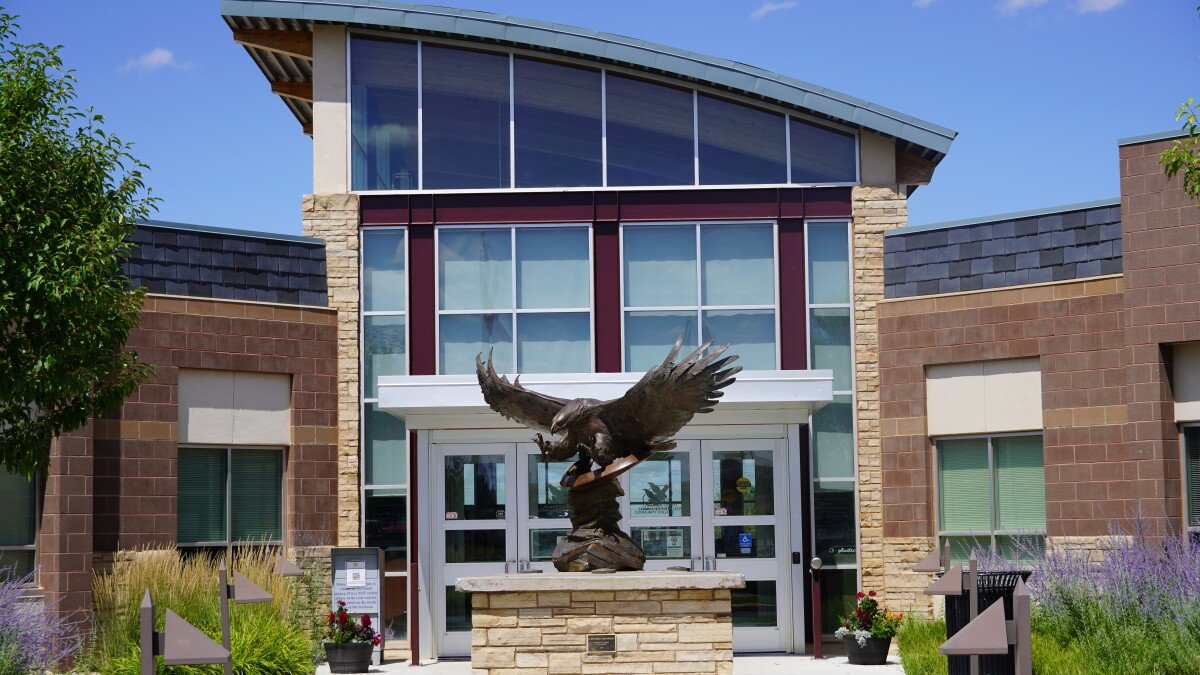
Technical training labs are industrial buildings with students inside, and that changes how they get built. A welding bay, a diesel shop or a mechatronics lab needs the same things a small plant needs: a slab with embedded trench drains, high-bay clearance, serious ventilation and three-phase power at the wall. It also needs egress, daylight and sound control that a plant never worries about. We build both halves of that brief, and the Laramie County Community College main campus in Cheyenne is the kind of site where buyers ask for it.
The main campus covers 271 acres, grown from 168 acres of donated pasture when the college opened in 1968. That is land for building out in stages, with room for shop-type structures at the edge and parking in between. Enrollment was 5,389 students in fall 2022, so any project here runs with daily foot and vehicle traffic. Employers who send people to train there, and contractors who need skilled trades coming out of it, care about how quickly new lab space gets online. We care about that too. Our light manufacturing and flex industrial experience carries over directly to training-lab shells.
Lab shells, shop bays and the slab under them
Most of what we would build on a campus like this is a high-bay shop with an attached classroom wing. The shop side uses a reinforced slab designed for the heaviest machine in the program, with trench drains, floor sinks and embeds cast in at the pour. Overhead, we frame for bridge cranes or monorails where the program calls for them and leave structural capacity for equipment added later. The industrial concrete floors trade crew finishes those slabs flat, and we coordinate joints with equipment layouts instead of saw-cutting around them afterward.
The classroom wing is conventional commercial work, and we handle it in the same contract. Insulated metal panel or masonry skin, a roof system rated for the local snow load, and mechanical rooms sized for make-up air on the shop side. Sound separation between a running grinder and a lecture room is a wall assembly decision made in design, not a field fix. We raise it in preconstruction.
Programs that match what employers hire for
Training facilities follow the regional economy. A county with data center interest and a freight corridor generates demand for electrical, controls, HVAC and heavy equipment programs. Each one maps to a building we already build. Electrical and controls labs are small-bay flex space with clean power. Diesel and heavy equipment shops are education buildings with maintenance-shop bones. Logistics programs want a mock dock and a yard. The same trades staff the plants and warehouses of the kind we build along Cheyenne Business Parkway, and the demand profile looks like advanced manufacturing hiring.
The college also operates a campus in Laramie and an outreach center in Pine Bluffs, which means programs can grow as satellites as well as at the main site. A small-footprint outreach build is closer to a tenant improvement than a ground-up job, and we price it that way. For the Pine Bluffs end of that network, see our work around Pine Bluffs.
What we manage in the ground
We schedule and supervise the concrete, site utilities and rough carpentry on campus-scale jobs. Close supervision keeps one team accountable from footing to slab, and it keeps the schedule in our hands when the semester calendar leaves no room. We pour footings below the local frost line, which Laramie County lists at 36 inches in its published design table, and we protect fresh slabs through freeze cycles with blankets and heat. The result is a school building with plant-grade floors.
Underground utilities are the next big scope we manage closely. A new shop needs water, sanitary, gas, power and data, and on a live campus each of those crosses an existing road, walk or lot. We stage trenches in small sections, plate them overnight and restore surfaces before classes need them. Our site concrete and ADA compliance work handles the curb ramps and accessible routes that new buildings trigger.
Working a campus that stays open
A campus is an occupied site, and our phased construction on occupied sites practice is built for it. Students walk, park and drive through your work zone every day, and the semester calendar defines the real deadline. We lock the building envelope before the heating season and aim to release the shop floor for equipment set during a break. Haul routes, laydown and crane picks are planned around class changes and arrival peaks, and fencing is set early so nobody improvises a route.
One published report says the college board approved a new name effective July 1, 2027. We have not seen it confirmed on a college page, so we treat it as unconfirmed. If it holds, exterior signage and wayfinding packages should be bid as late-release items so they match the final name. That is a small scope, but late changes on monument signs and building letters are a common source of rework.
Keeping students out of the work
Separation is the safety plan. Hard fencing, signed pedestrian detours, dedicated construction entrances and spotters for every truck move. Hot work, saw-cutting and noisy demolition are scheduled for hours when the nearest occupied space is empty. Silica dust control on cutting and grinding is standard on our sites, whether the job is on campus or in a plant.
Code compliance for educational occupancy is a design and plan-review issue, and we confirm the governing jurisdiction early. Laramie County adopted the 2024 International Building Code effective January 1, 2025, and the 2024 International Fire Code effective April 15, 2025, but its page does not confirm the City of Cheyenne's own adoption. We settle that question with the building department before pricing is final.
Plan the lab before the semester does
Send us the program, the equipment list and the semester you need it open. We will return a phased schedule and a slab and utility scope for the lab.
Common Questions
Can you build a training lab without closing parking or roads?
Usually yes. We plan one construction entrance, fence a dedicated laydown area and stage utility crossings so that no road or lot is closed longer than a weekend. Where a closure is unavoidable, we agree the date with campus operations and post detours in advance. Most disruptions come from deliveries, so we schedule them off peak.
What slab thickness does a welding or diesel bay need?
It depends on the heaviest vehicle or machine in the program, the subgrade and the loads on columns. A typical shop slab is thicker and more heavily reinforced than a classroom slab, with trench drains cast in at the pour. Your engineer sets thickness, and we advise on joints, curing and flatness so the floor works for the equipment.
How do you handle the winter pour schedule?
We assume cold weather and price for it. Subgrade is protected from freezing, concrete is placed with heated materials when needed, and fresh slabs are blanketed or enclosed. That keeps strength gain predictable and avoids the delay of a rejected pour. Winter protection shows up as a separate line in our estimate.
Do you work for private employers who want a training partnership space?
Yes. An employer that wants a dedicated lab, or a shell that the college operates under a partnership, is a buildable scope for us. The question is who owns the building and which code path applies. We help the owner sort that out with the building department before design starts.
Should an outreach-center expansion be treated as a separate bid?
Often it should. A small tenant improvement in an existing building is priced differently from a ground-up lab, and the permit path is shorter. If the program grows, we can design the first phase so that a later addition ties in without rebuilding utilities.
Related
Related Services
Related Building Types
Related Industries
Related Service Areas
Ready to talk about your project?
Service Areas
-
Cheyenne
Ground-up plants, data center support, slabs, pads and site civil for Cheyenne owners. We build to local frost, wind and snow criteria. -
Laramie
Light manufacturing, flex and metal buildings in Laramie at 7,165 ft. We plan frost, wind and long hauls into every pour and erection date. -
Wheatland
Equipment pads, heavy-haul roads and phased work beside an operating plant in Wheatland, Wyoming. We plan around outages and I-25 hauls.