
Automotive and EV Plant Construction in Cheyenne, Wyoming
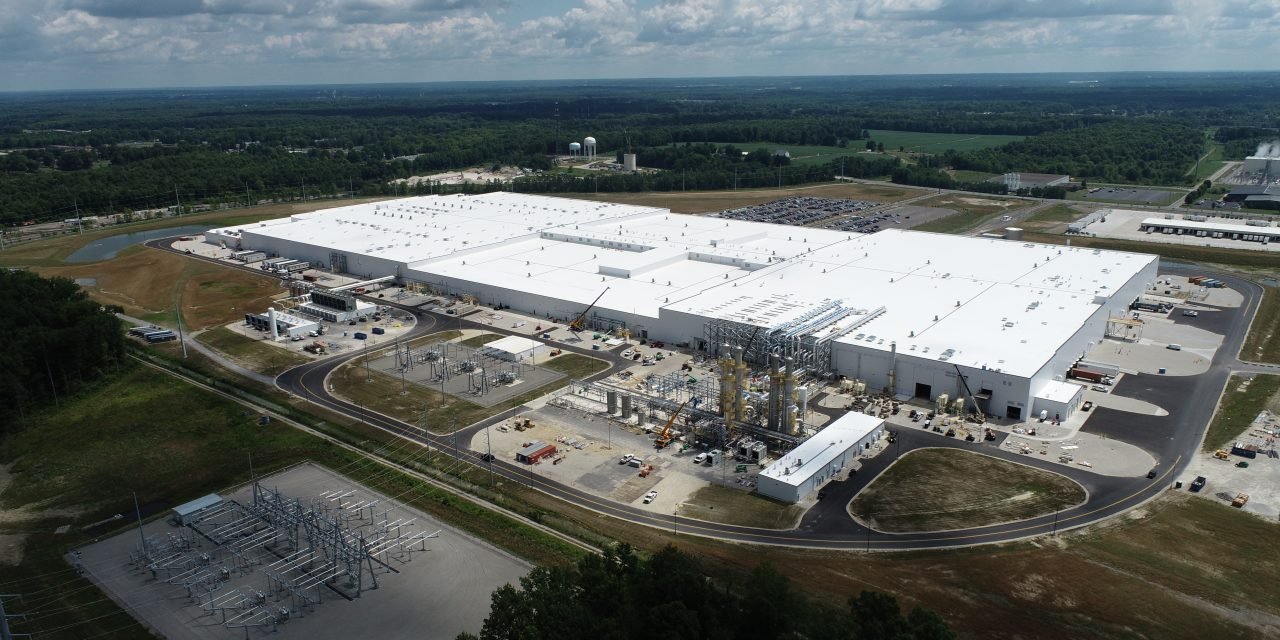
A vehicle or battery plant lives or dies on four numbers: megawatts at the fence, tons of cooling, slab capacity under the line, and days to get steel in the air. Cheyenne gives you a short list of sites where those numbers can be met. We build automotive and EV plants here as a ground-up contractor, and we start every job by asking which of the four is the long pole.
The land side is straightforward. Industrial ground sits along I-80 and I-25, with US 85 running south through the city. Frost reaches 36 inches in the county design table, wind design speed is 105 mph, and ground snow load is 32 lb/ft2. A plant frame has to be sized to those values, and a high-bay assembly hall catches wind like a sail while it is only half skinned.
Our work covers site civil, utilities, building shell, process slabs, pits, trenches and the pad work for ovens, presses, chillers and battery-formation equipment. Owners who want one contract can use industrial design-build and have the power study and the foundation drawings move together.
Where an automotive or EV line can land in Cheyenne
Two business parks matter for this building type. Cheyenne Business Parkway covers 900 acres inside city limits with 60 acres left in parcels under 15 acres, and its high-volume natural gas, electricity and redundant fiber are already in place. That suits a component supplier, a pack-assembly cell or a charging-hardware line. It is not rail served, so inbound coil, cells and castings arrive by truck.
The Cheyenne Logistics Hub is the other route. It covers about 2,000 acres southwest of the city with BNSF and Union Pacific access, I-80 and I-25, a short-line operator, transloading and rail car storage. About 1,500 acres were unsold and unoccupied as of the December 2022 report. A body or stamping plant that moves steel by rail belongs there, and the same logic applies to the automotive and EV supply chain as a whole.
Shell, slab and process foundation scope
Floor design drives the schedule. Press lines and robotic weld cells want heavy, flat slabs with embedded plates, and a battery dry room wants a vapor barrier and tight joint control. We pour the plant floor in laser-screed strips, set the equipment pits and trenches before the main slab, and sequence equipment pads and foundations so isolated machine bases never crack the slab around them.
The shell is usually tilt-wall or structural steel. For a plant with long clear spans and overhead conveyors, we price both and show the crane-rail and sprinkler consequences of each. Our guide to manufacturing plant construction covers the base envelope. The EV-specific items are the chilled water loop, the ventilation for coating and curing, the spill containment and the extra roof structure for rooftop air handlers.
Permits, fire code and the code gap
Wyoming has no single statewide building code. The International Code Council states that codes are adopted and enforced locally, so the first call is to the building department. Laramie County adopted the 2024 International Building Code with amendments effective January 1, 2025 and the 2024 International Fire Code effective April 15, 2025. Inside the city limits, the Chief Building Official told the Board of Appeals on February 5, 2025 that an adoption package was before the governing body and the 2018 Energy Code would stay in effect. We confirm the governing edition with the jurisdiction before the structural set is stamped.
A plant with flammable coatings, battery storage or high-piled stock gets a fire code review that can reshape the sprinkler design. Hazardous-material control areas, explosion venting and separation distances are early decisions. We run permitting and entitlements coordination alongside design so those reviews do not queue behind each other.
Sequencing around wind, frost and lead times
Winter pours need blankets, heated enclosures and tested mixes. We plan footings and slab placements for the months when the ground can be worked, and we get the shell dried in before the bulk of the interior trades. Wind days stop crane picks, so we carry weather float in the erection schedule rather than promising a clean run.
Transformers, switchgear, chillers and process equipment set the real date. We release those orders at design development, not after permit, and our long-lead procurement management tracks every shop drawing and delivery week against the pour sequence. Utility service for a plant of this size also sits on the critical path. The Chamber CEO expects electricity demand in Cheyenne to rise about 50% over five years, with power supply and transmission flagged as challenges, so an early load letter to the utility is not optional.
What moves the price of a plant here
Power service is the largest swing. A new substation tap, utility-side upgrades and on-site switchgear can outweigh the building cost on a high-load line. Next is floor thickness and reinforcement, then crane and rail systems, then the chilled water and process piping. Site work is smaller in percentage but cheaper to fix early than late.
We separate base building cost from owner-equipment-driven cost in the estimate so you can see which choices are structural and which follow the tooling. Rail spur, laydown and truck court costs go in their own lines, and the site utilities package is priced with the utility's own work shown beside ours. Changing a bay width or a clear height after steel is detailed costs far more than the same change at the concept stage.
Bring us the load letter first
Send the tooling list, the target megawatts and the site you are considering. We will return a slab, shell and utility scope with the long-lead items flagged.
Common Questions
Which Cheyenne site works for a plant that needs rail?
The Cheyenne Logistics Hub is the only rail-served business park listed by the local economic development group, with BNSF and Union Pacific access plus transloading and rail car storage. Cheyenne Business Parkway is not rail served, so a truck-fed line is a better fit there. Confirm spur capacity and switching arrangements before you commit to a parcel.
How do we size electrical service for an EV line?
Start with a load letter that lists connected load, expected demand, ramp-up phases and any backup generation. The utility needs that early because transformer and transmission lead times run long. We help assemble the one-line diagram, the duct bank route and the equipment pad layout so the utility reviews real numbers.
Does the slab need to be different for battery or press equipment?
Usually yes. Presses and robotic cells need thicker reinforced slabs, embedded plates and isolated pads. Battery formation and dry rooms need tight moisture control and flatness tolerances for automated vehicles. We set slab thickness, joint layout and vapor control from the tooling drawings, not from a generic warehouse floor.
What design values apply to a high-bay plant frame in Laramie County?
The county design table lists a 32 lb/ft2 ground snow load, 105 mph wind design speed and a 36 inch frost line. Commercial projects follow IBC Chapter 16 and the design criteria are shown on code study sheets. We tie the frame, bracing and footing depth to those values and confirm them with the building department.
How long does construction take once the permit is in hand?
A clear-span plant shell can be dried in within months, but process areas, utility energization and commissioning decide the finish date. Equipment deliveries and utility tie-ins usually set the final schedule. We build a milestone plan around those dates and carry weather float for winter placements.
Related
Related Services
Related Building Types
Related Industries
Related Service Areas
Ready to talk about your project?
Building Types
-
Warehouses
Warehouse shells built to Cheyenne frost, wind and snow loads: slab, wall system, roof and dock package for the Business Parkway and Logistics Hub. -
Distribution Centers
Distribution centers in Cheyenne built from throughput backward: slab flatness, dock count, truck court and power, with North Range and I-80 access in mind. -
Manufacturing Plants
Ground-up manufacturing plants in Cheyenne built around the process: equipment pads, crane bays, process utilities and power, frost depth and permits.